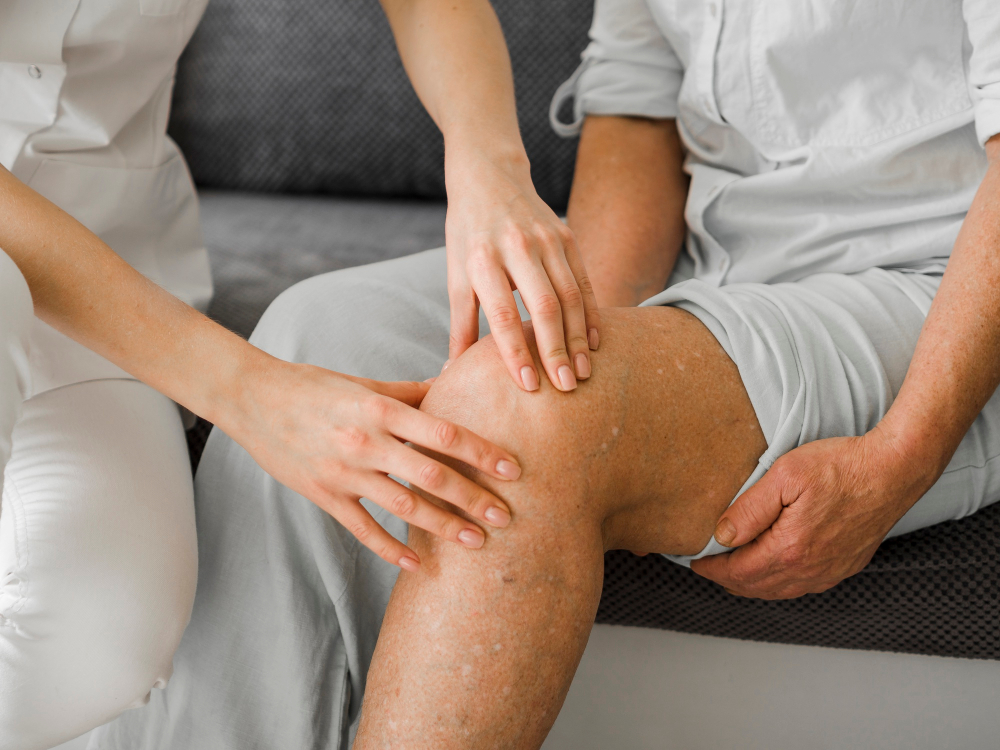
Knee arthritis is one of the most common causes of chronic joint pain, especially in adults over 40. However, many people believe that surgery is the only solution once arthritis begins. The good news in 2026 is that medical advancements now offer several effective non-surgical treatments that can reduce pain, improve mobility, and delay or even avoid knee replacement surgery.
At Oxford Hospital, specialists focus on evidence-based, minimally invasive approaches to help patients manage knee arthritis safely and effectively.
What Is Knee Arthritis?
Knee arthritis occurs when the protective cartilage cushioning the knee joint gradually wears down. This leads to:
- Pain during walking or climbing stairs
- Swelling around the knee
- Morning stiffness
- Reduced range of motion
- Grinding or cracking sounds
The most common type is osteoarthritis, which develops due to age, wear and tear, obesity, previous injury, or genetic factors.
Why Consider Non-Surgical Treatment First?
Surgery is not always the first or immediate solution. In fact, most patients with early to moderate arthritis respond very well to conservative management.
Benefits of non-surgical treatments include:
- Lower risk
- Faster recovery
- Minimal downtime
- Cost-effectiveness
- Natural joint preservation
Early intervention can significantly slow the progression of arthritis.
Best Non-Surgical Treatments for Knee Arthritis in 2026
1. Advanced Physiotherapy & Strength Training
Targeted physiotherapy strengthens the muscles around the knee, improving joint stability and reducing stress on cartilage.
Modern rehabilitation programs in 2026 include:
- Personalized exercise plans
- Muscle strengthening protocols
- Balance training
- Gait correction
Strong muscles reduce pain and improve mobility naturally.
2. PRP (Platelet-Rich Plasma) Therapy
PRP therapy is one of the most advanced non-surgical treatments available today. It uses the patient’s own blood to extract growth factors that help:
- Reduce inflammation
- Promote tissue healing
- Improve joint lubrication
- Slow cartilage degeneration
PRP is particularly effective in early to moderate arthritis cases.
3. Hyaluronic Acid (Viscosupplementation) Injections
These injections improve joint lubrication and cushioning by restoring hyaluronic acid levels inside the knee.
Benefits include:
- Reduced friction
- Improved joint movement
- Pain relief for several months
This option is ideal for patients who want to delay surgery.
4. Regenerative Medicine Approaches
In 2026, regenerative therapies are gaining popularity. These focus on stimulating the body’s natural healing response to improve joint health.
While not a cure, regenerative treatments may:
- Improve joint function
- Reduce inflammation
- Enhance tissue repair
5. Medication-Based Management
Carefully prescribed medications can help manage pain and inflammation.
These may include:
- Anti-inflammatory medicines
- Pain relievers
- Supplements for joint health
Medication plans should always be supervised by qualified orthopedic specialists.
6. Weight Management & Lifestyle Changes
Excess weight significantly increases pressure on the knee joint. Even losing 5–10% of body weight can dramatically reduce pain.
Lifestyle modifications include:
- Maintaining healthy weight
- Low-impact exercises like swimming or cycling
- Avoiding high-impact activities
- Using proper footwear
Small lifestyle changes often bring big relief.
7. Bracing & Supportive Devices
Knee braces help redistribute pressure within the joint and provide stability. Custom braces are especially helpful for patients with uneven joint wear.
When Is Surgery Necessary?
Non-surgical treatments are effective for most mild to moderate cases. However, surgery may be considered when:
- Pain severely limits daily activities
- There is advanced cartilage loss
- Conservative treatment fails
Early consultation ensures the right treatment decision at the right time.
Who Is a Good Candidate for Non-Surgical Treatment?
You may benefit from conservative management if you:
- Have early-stage arthritis
- Experience intermittent pain
- Want to delay knee replacement
- Are medically unfit for surgery
- Prefer minimally invasive options
An orthopaedic evaluation helps determine the best approach.
Importance of Early Diagnosis
Many patients ignore knee pain until it becomes severe. Early diagnosis allows:
- Slower disease progression
- Better long-term outcomes
- Avoidance of invasive procedures
- Improved quality of life
Timely intervention is key to preserving joint health.
Final Thoughts
In 2026, knee arthritis no longer means immediate surgery. Modern non-surgical treatments offer effective pain relief, improved mobility, and better joint preservation.
With proper medical guidance, lifestyle modification, and advanced therapies, many patients can manage arthritis successfully without undergoing knee replacement.
If you are experiencing persistent knee pain, seeking early orthopaedic consultation can help you explore safe and effective treatment options tailored to your condition.