Understanding the Risks | Oxford Hospital, Jalandhar
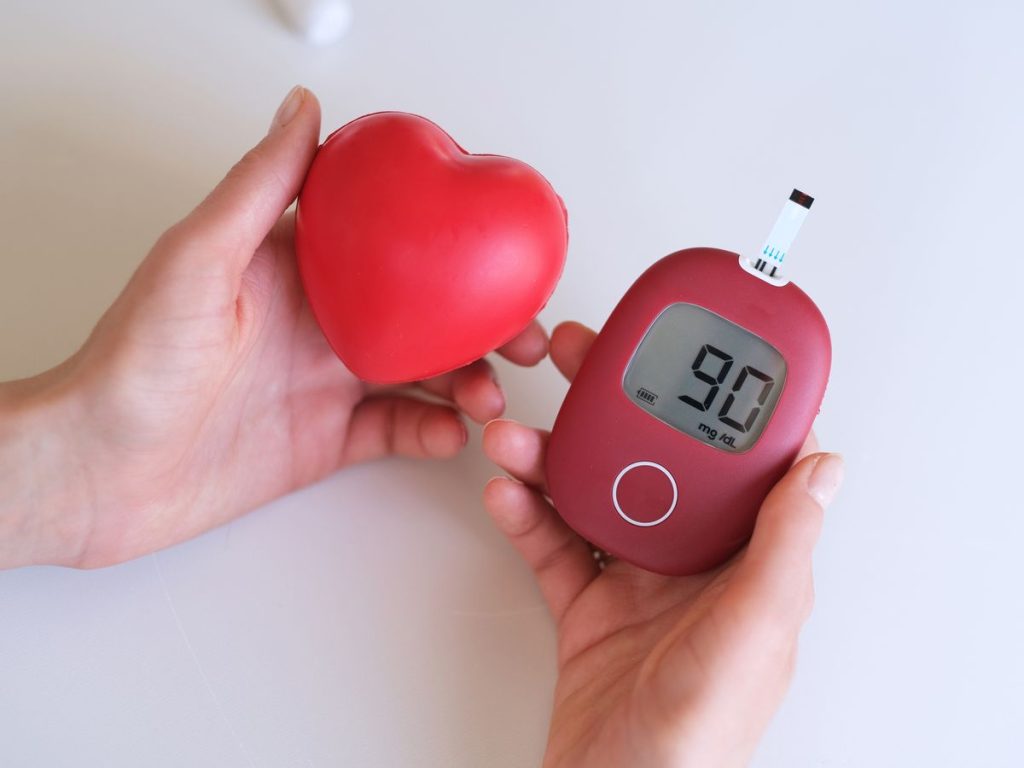
Diabetes is a serious health condition that can silently affect the heart. Many diabetic patients develop silent heart disease, a condition where heart problems progress without obvious symptoms. This makes early detection and regular monitoring crucial to prevent serious complications.
At Oxford Hospital, Jalandhar, we provide advanced heart care and preventive screening to help diabetic patients protect their heart health effectively.
What Is Silent Heart Disease?
Silent heart disease refers to coronary artery disease (CAD) or other heart conditions that do not cause typical warning signs, such as chest pain or shortness of breath.
In diabetic patients, high blood sugar damages blood vessels and nerves, which can mask classic heart attack symptoms. Many patients may only discover heart disease after a severe cardiac event, making preventive care vital.
Why Diabetic Patients Are at Higher Risk
Diabetes affects the heart in several ways:
- High blood sugar speeds up plaque buildup in the arteries.
- Diabetic neuropathy can reduce the sensation of chest pain.
- High blood pressure and cholesterol, common in diabetic patients, increase heart disease risk.
- Obesity and sedentary lifestyle further worsen heart health.
These factors make diabetic patients more prone to silent, undetected heart disease.
Signs You Shouldn’t Ignore
Even though the condition is called “silent,” subtle signs may appear:
- Unusual fatigue or tiredness
- Shortness of breath during mild activities
- Dizziness or lightheadedness
- Irregular heartbeat or palpitations
- Mild discomfort in the jaw, arm, or back
At Oxford Hospital, our team recommends that diabetic patients seek evaluation promptly even for minor symptoms.
How Silent Heart Disease Is Detected
Early detection is key to preventing serious complications such as heart attacks or heart failure. Common diagnostic tests include:
- Electrocardiogram (ECG) – Measures the heart’s electrical activity
- Echocardiography (Echo) – Evaluates heart structure and function
- Stress Test (TMT) – Monitors heart performance under exercise
- Coronary Angiography – Checks for artery blockages in high-risk patients
Oxford Hospital, Jalandhar offers personalized screening plans for diabetic patients, ensuring timely and accurate diagnosis.
Preventive Measures for Heart Health
Managing diabetes effectively is essential for protecting the heart. Recommended steps include:
- Maintain Healthy Blood Sugar Levels – Regular monitoring and medication adherence
- Adopt a Heart-Friendly Diet – Low sugar, low saturated fat, and high fiber
- Regular Physical Activity – At least 30 minutes of moderate exercise most days
- Manage Blood Pressure and Cholesterol – Routine checkups and medications as advised
- Avoid Smoking and Limit Alcohol – Both accelerate heart damage
- Regular Heart Checkups – Particularly important for long-term diabetic patients
Why Oxford Hospital Is Your Trusted Heart Care Center
At Oxford Hospital, Jalandhar, we focus on preventive and patient-centered cardiac care. Our state-of-the-art diagnostics and experienced cardiology team help detect heart problems early, providing personalized treatment plans for diabetic patients.
Early intervention, lifestyle guidance, and expert monitoring make it possible to prevent severe cardiac events and improve long-term heart health.
Final Thoughts
Silent heart disease is a hidden risk for diabetic patients, but it can be managed with early detection, proper lifestyle measures, and regular heart checkups. Don’t wait for symptoms—take proactive steps to protect your heart today.
FAQ
Q1. What is silent heart disease in diabetic patients?
Silent heart disease is a heart condition that develops without obvious symptoms, often seen in diabetic patients due to nerve damage and reduced pain perception.
Q2. Why are diabetic patients at higher risk?
High blood sugar, diabetic neuropathy, high cholesterol, high blood pressure, and obesity increase the risk of undetected heart disease in diabetic patients.
Q3. How can silent heart disease be detected?
Tests like ECG, echocardiography (Echo), stress tests (TMT), and coronary angiography help detect heart problems early, even without symptoms.
Q4. What are subtle signs of silent heart disease?
Mild symptoms can include fatigue, shortness of breath, dizziness, irregular heartbeat, or discomfort in the jaw, arm, or back.
Q5. Can lifestyle changes prevent heart disease in diabetics?
Yes. Healthy diet, regular exercise, controlling blood sugar, managing blood pressure and cholesterol, and avoiding smoking can prevent heart complications.
Q6. Does every diabetic patient with heart blockage need a stent?
Not necessarily. Mild to moderate blockages can often be managed with medications, lifestyle changes, and regular monitoring without stents.
Q7. Why choose Oxford Hospital, Jalandhar for diabetic heart care?
Oxford Hospital offers advanced diagnostics, preventive cardiac care, and personalized treatment plans, ensuring early detection and better outcomes for diabetic patients.