Expert Heart Care at Oxford Hospital, Jalandhar
Winter can be a challenging season for heart patients, especially in North India where temperatures drop, fog increases, and daily routines change. Cold weather forces the heart to work harder to maintain body temperature, which can raise blood pressure and heart rate. For people with existing heart conditions, this extra strain can increase the risk of serious complications. At Oxford Hospital, Jalandhar, we emphasize proactive heart care during winter to ensure safety and long-term well-being.
What is Heart Failure?
Heart failure does not mean that the heart has stopped functioning. It means the heart is unable to pump enough blood to meet the body’s needs. As a result, the heart works harder, which can worsen the condition over time if not treated properly.
Heart failure becomes more common with increasing age and is one of the leading causes of hospitalization worldwide. With early diagnosis and regular treatment, many patients can live a stable and active life.
Common Risk Factors for Heart Failure
- High blood pressure
- Diabetes
- High cholesterol
- Smoking
- Obesity
- Family history of heart disease
Symptoms of Heart Failure to Watch in Winter
Winter can worsen existing symptoms or trigger new ones. Early recognition is very important to prevent emergencies.
Common Symptoms Include:
- Shortness of breath, especially during rest or sleep
- Swelling in feet, ankles, or legs
- Unusual tiredness or weakness
- Fast or irregular heartbeat
- Dizziness or feeling faint
If these symptoms appear or worsen, immediate consultation with a cardiologist at Oxford Hospital, Jalandhar is advised.
Why Winter Increases Heart Risk
Cold temperatures cause blood vessels to narrow, increasing resistance to blood flow. This makes the heart pump harder, leading to higher blood pressure and increased heart rate. These changes can trigger heart failure episodes, heart attacks, and rhythm problems.
Studies show that a sudden fall in temperature significantly increases hospital admissions and heart-related deaths, especially in people above 65 years of age.
How Cold Weather Affects Heart Failure Patients
Effect on Blood Vessels and Blood Pressure
When exposed to cold, blood vessels constrict to reduce heat loss. This raises blood pressure and increases strain on the heart, making symptoms of heart failure worse.
Increased Risk of Respiratory Infections
Winter is associated with flu, pneumonia, and chest infections. These infections reduce oxygen levels in the body, forcing the heart to work harder and worsening heart failure symptoms.
Air Pollution and Smog
Fog and air pollution are common in winter. Poor air quality can cause breathing difficulties, chest tightness, and increased stress on the heart and lungs.
Fluid Retention in the Body
Reduced sweating in winter, along with increased blood pressure, can cause fluid accumulation in:
- Legs and ankles
- Lungs
This fluid buildup increases the workload on the heart and can lead to breathlessness and swelling.
Poor Diet and Vitamin D Deficiency
Winter diets often include high-fat and salty foods, which can increase cholesterol and blood pressure. Reduced sunlight exposure can also cause vitamin D deficiency, affecting heart health.
Physical Activity Imbalance
- Excessive physical exertion in cold weather increases cardiac stress
- Complete inactivity can raise the risk of blood clots
A balanced activity routine is essential.
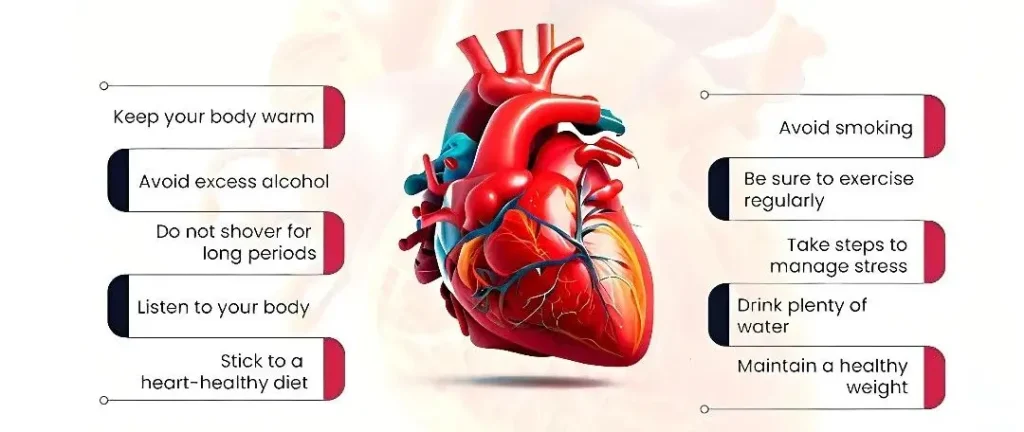
Winter Heart Care Tips from Oxford Hospital, Jalandhar
Avoid Extreme Cold Exposure
Limit outdoor activities during very cold mornings and nights. If outdoor work is unavoidable, dress appropriately and take frequent breaks.
Dress Warmly and Smartly
Wearing multiple thin layers helps trap heat better than one thick layer. Covering the head and neck is important, as a large amount of body heat is lost from these areas.
Stay Active Indoors
Light indoor exercises help maintain circulation and prevent stiffness. Avoid sitting for long periods and move around at least once every hour.
Prevent Flu and Chest Infections
Taking preventive steps can reduce hospital visits.
Important preventive measures include:
- Regular hand washing
- Avoiding contact with infected individuals
- Taking flu and pneumonia vaccines before winter
Never Skip Medications or Appointments
Cold weather should never be a reason to miss medicines or follow-up visits. Always keep an adequate supply of prescribed heart medicines at home.
Eat a Heart-Healthy Diet
Choose warm, nutritious meals that support heart health.
Dietary tips include:
- Reduce salt and oily foods
- Avoid overeating at social gatherings
- Limit alcohol consumption
Monitor Weight and Body Changes
Daily weight monitoring is crucial for heart failure patients.
Seek medical help if:
- Weight increases by more than 1 kg within 3 days
- Swelling or breathlessness suddenly increases
Importance of Early Symptom Recognition
Small changes in daily health can signal worsening heart conditions. Paying close attention to symptoms allows early treatment, prevents hospital admissions, and improves quality of life in every season.
At Oxford Hospital, Jalandhar, our cardiology team provides advanced diagnosis, continuous monitoring, and personalized treatment plans to help patients stay heart-healthy throughout winter and beyond.
Protect Your Heart This Winter
📍 Oxford Hospital, Jalandhar
❤️ Advanced Cardiac Care | Trusted Specialists | Compassionate Treatment