Understanding Scoliosis
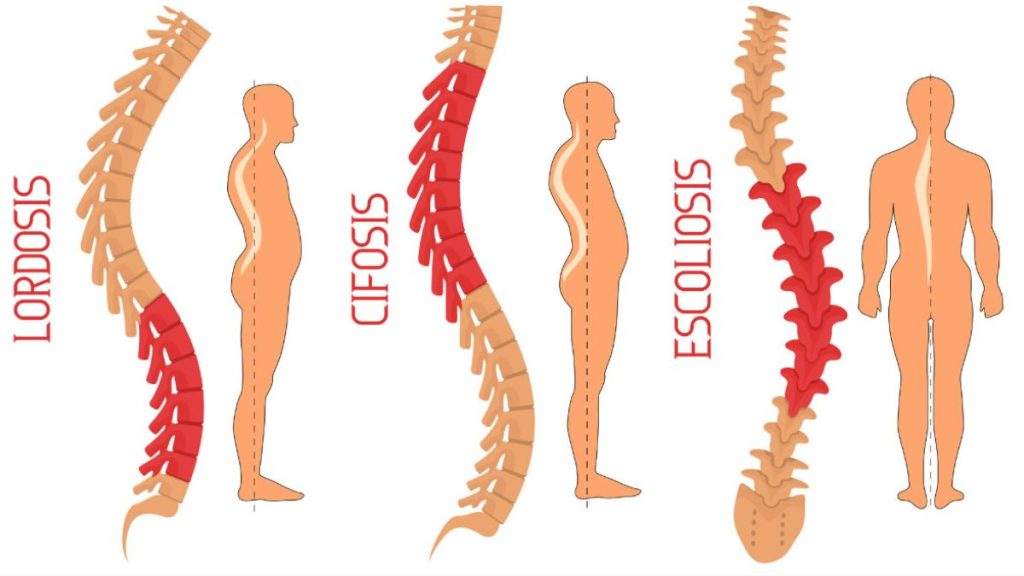
Scoliosis is a spinal condition in which the backbone curves sideways instead of remaining straight. Although the word literally means “crooked spine,” scoliosis is a three-dimensional deformity—the spine not only bends sideways but may also rotate or tilt forward or backward.
At Oxford Hospital, our expert spine specialists diagnose and treat scoliosis with advanced techniques to ensure the best outcomes for children, adolescents, adults, and seniors.
Types & Causes of Scoliosis
Scoliosis can appear in different age groups and for multiple reasons. Understanding the cause helps in planning accurate treatment.
1. Idiopathic Scoliosis (Most Common Type)
Idiopathic scoliosis means the cause is unknown. It is the most commonly seen variety, especially in girls aged 10–18 years.
Types of Idiopathic Scoliosis:
- Infantile Idiopathic Scoliosis: Appears before 3 years of age
- Juvenile Idiopathic Scoliosis: Detected between 3–10 years
- Adolescent Idiopathic Scoliosis: Most common; shows up between 10–18 years
Although the cause is unclear, early detection greatly improves treatment outcomes.
2. Congenital Scoliosis
This form occurs due to abnormal formation of vertebrae during pregnancy.
Examples:
- One side of a vertebra doesn’t form completely
- Bones of the spine may not separate properly
This leads to uneven growth and a visible body tilt as the child grows.
3. Neuromuscular Scoliosis
Caused by muscle weakness or nerve-related conditions such as:
- Cerebral Palsy
- Muscular Dystrophy
- Poliomyelitis
Poor muscle control leads to spinal imbalance and progressive curvature.
4. Degenerative Scoliosis (Adults & Elderly)
Seen in adults over 50–60 years due to:
- Disc degeneration
- Weak spinal joints
- Osteoporosis
It leads to leaning of the spine on one side, often with back pain.
Early Onset vs Late Onset Scoliosis
This classification helps decide the right treatment approach.
Early Onset Scoliosis (Before 5 years)
- Lung and chest development is crucial in these years
- Traditional fusion surgery may restrict lung growth
- Special growth-friendly techniques are required
Late Onset Scoliosis (After 5 years)
- Safer for traditional surgical options
- Higher chances of successful long-term correction
Oxford Hospital follows internationally approved protocols for both early and late-onset scoliosis.
Symptoms of Scoliosis – What to Look For
The biggest challenge in scoliosis is late diagnosis. Because changes happen slowly, parents may not notice them for years.
Common Warning Signs:
- Uneven shoulder height
- Ribs or shoulder blade sticking out on one side
- Visible tilt in the waist or pelvis
- One side of back appearing more prominent
- Clothing not fitting evenly
- Leaning posture
- Back pain (in adults)
Self-Check for Parents & Teenagers
Every 6 months:
- Stand in front of the mirror without upper body clothing
- Check if both shoulders are at the same height
- Look for unevenness in back, ribs, or waist
- Ask the child to bend forward (Adam’s test) to check for rib hump
Early detection can prevent major deformity.
How Scoliosis Is Diagnosed at Oxford Hospital
Once scoliosis is suspected, our experts recommend:
- Full-length spine X-ray
- Standing posture assessment
- Growth and progression analysis
- Neurological examination
These tests help determine:
- Cause
- Severity
- Rate of progression
- Best suitable treatment
Treatment Options for Scoliosis
Treatment depends on the age of the patient, degree of curvature, and chances of progression.
1. Observation
For mild curves that are not progressing.
2. Bracing
For growing children and adolescents, braces may help:
- Prevent worsening of the curve
- Support spine during growth
3. Serial Plaster Casts
Used for young children (early onset scoliosis) to guide spinal growth
Surgical Treatment for Scoliosis
Oxford Hospital offers both growth-friendly and definitive surgical treatments.
1. Definitive Spinal Fusion (After 5 years of age)
- All affected vertebrae are fixed and fused
- Prevents progression permanently
- Best long-term results when done at the ideal age
2. Growth-Friendly (Non-Fusion) Surgery
Used in younger children to:
- Control curvature
- Allow chest and lung growth
- Delay final surgery
These procedures require follow-up and eventual final fusion.
Neuromonitoring for Safety
All scoliosis surgeries at Oxford Hospital are performed with advanced intraoperative neuromonitoring, ensuring:
- Safe correction
- Continuous monitoring of nerve function
- Zero compromise on leg power
Takeaway Message
Early detection is the key to successful scoliosis management.
At Oxford Hospital, our spine specialists ensure:
- Accurate diagnosis
- Customized treatment planning
- Advanced surgical options
- Safe and effective correction
Early treatment leads to better results and better quality of life.