Internal Medicine
Managing Diabetes Naturally — Lifestyle Changes That Reduce HbA1c
Article by Dr. Gurbir Singh Gill — Cardiologist | Diabetologist
Published · 6 min read · Medically reviewed
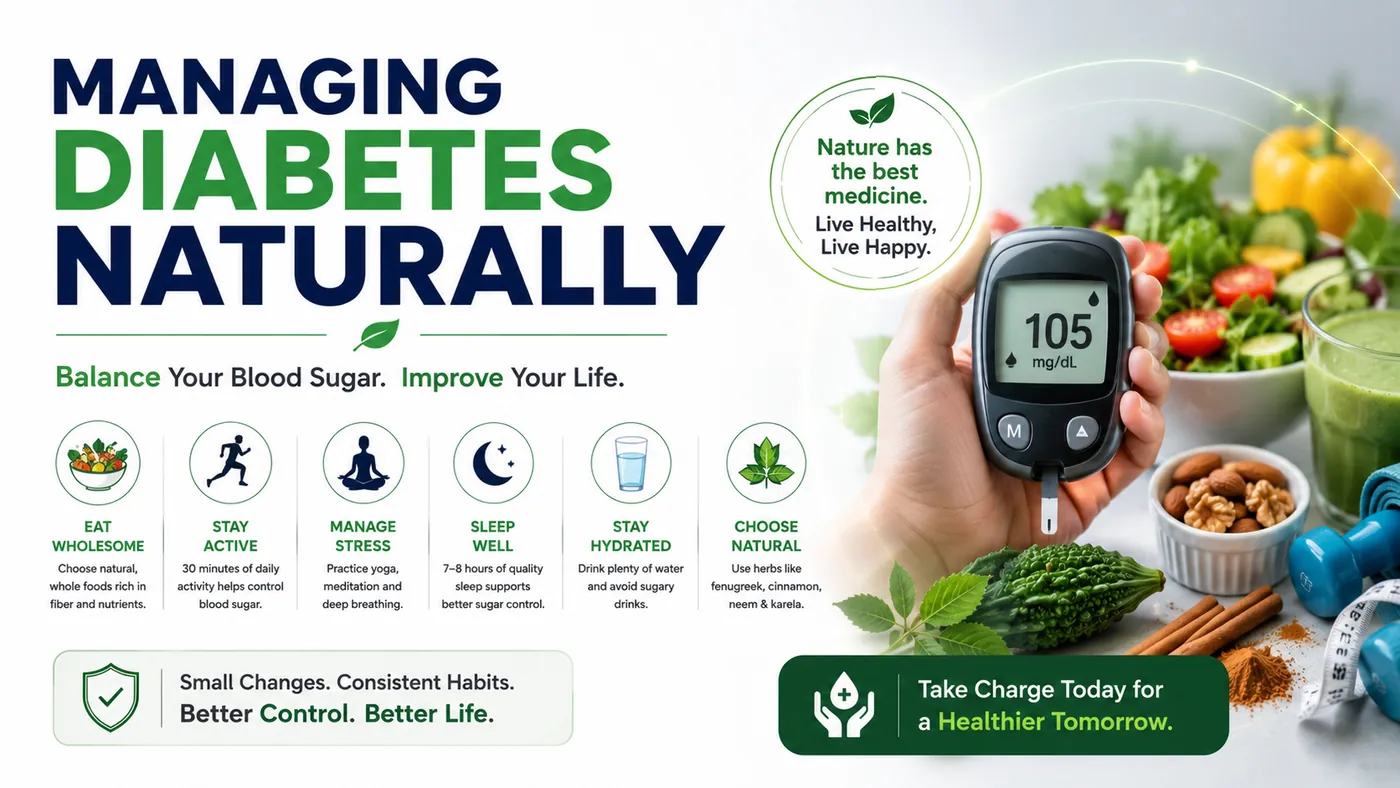
Evidence-based lifestyle protocols that lower HbA1c by 1.5–2.0% in 12 weeks — supervised by Oxford Hospital's diabetes management programme.
Type 2 diabetes is no longer a life sentence. Evidence-based lifestyle protocols can reduce HbA1c by 1.5–2.0% in 12 weeks — sometimes eliminating the need for insulin entirely. Oxford Hospital Jalandhar runs Punjab's most rigorous supervised diabetes-reversal programme.
The Punjab Diabetes Crisis
Punjab has one of India's highest diabetes prevalence rates — over 14% of adults. Sedentary lifestyles, refined carbs (white sugar, white flour), late dinners and stress are the main drivers.
5 Lifestyle Pillars That Lower HbA1c
- Time-restricted eating: 10-hour eating window (e.g. 8am–6pm)
- Resistance training: 3x/week — builds insulin-sensitive muscle
- Walk 10 min after every meal — flattens glucose spike
- Sleep 7+ hours — sleep loss raises insulin resistance overnight
- Continuous glucose monitor (CGM) for 14 days — see exactly what your body responds to
Diabetic Punjabi Diet — What Actually Works
- Replace white roti with bajra, jowar, ragi.
- Half plate non-starchy sabzi (saag, lauki, tinda, methi).
- Protein-first: dal, paneer, eggs, chicken, fish.
- Cut: white rice, sweets, fruit juice, biscuits, processed snacks.
When You Still Need Medication
Lifestyle alone is enough for early-stage type 2. Long-standing diabetes may still need metformin, GLP-1 agonists or insulin. Our endocrinology team builds a personalised plan based on your CGM data and lab work.
Book free diabetes counselling at Oxford Hospital. Call +91 98550 00028.
Frequently Asked Questions
Can type 2 diabetes be reversed?
Many people achieve remission, meaning normal blood sugar without glucose-lowering medication — particularly within the first few years of diagnosis and with significant weight loss. Remission is not the same as cure: the underlying tendency remains and monitoring must continue. Never stop prescribed medication without medical supervision.
How much can lifestyle change lower HbA1c?
Structured changes to diet and activity commonly reduce HbA1c by roughly 1 to 2 percentage points over about twelve weeks, which is comparable to adding a medication for many patients. Results vary with starting HbA1c, duration of diabetes and how consistently changes are sustained.
What should a Punjabi diabetic diet look like?
Practical adjustments matter more than elimination: prefer whole wheat, bajra, jowar and dalia over refined flour; keep portions of rice and roti measured; fill half the plate with vegetables and dals; use mustard oil in moderation and reduce ghee and fried food; avoid sugary drinks and sweets. Adding protein and vegetables to a meal slows the rise in blood sugar.
How often should HbA1c be checked?
Every three months while treatment is being adjusted or control is unstable, and every six months once targets are met and stable. HbA1c reflects average glucose over roughly three months, so testing more often than quarterly rarely adds useful information.
Which complications should diabetics screen for?
Annual screening should include a dilated eye examination for retinopathy, kidney function tests with urine albumin, foot examination for neuropathy and circulation, plus blood pressure and lipid checks. These complications develop silently, which is why scheduled screening matters more than waiting for symptoms.
Is exercise safe with diabetes?
For most people, yes, and it is one of the most effective interventions. Around 150 minutes a week of moderate activity plus twice-weekly resistance training is the usual target. Those on insulin or sulfonylureas should discuss hypoglycaemia precautions, and anyone with cardiac disease, retinopathy or foot ulcers needs individual advice first.
Book a consultation: call +91 98550 00028 or request a callback — our team responds within 1 hour.